Designing a Co-op Horror Loop That Encourages Both Cooperation and Betrayal


Case Study: Liminal Squad
Cooperative horror games face a recurring design problem: fear does not scale well with numbers. As players gain allies, danger becomes manageable and tension often dissolves into coordination. What is terrifying alone quickly turns into a solvable puzzle when experienced as a group.
Most co-op horror titles attempt to counter this by increasing enemy numbers or damage but these solutions rarely address the core issue. Fear is not only a mechanical response to threat, it is a social and psychological state. When cooperation is always optimal and trust is never questioned, tension inevitably collapses.
Liminal Squad approaches this problem from a different angle. Instead of enforcing cooperation as a constant rule, the game is built around ambiguity. Players are encouraged to work together but not unconditionally. Certain situations reward coordination, while others force difficult decisions where saving the group may come at the cost of an individual. Cooperation and betrayal are not scripted events they emerge naturally from pressure.
This article examines how with Liminal Squad we structure its core gameplay loop to sustain tension in a cooperative context. By keeping the rules simple and shifting complexity onto player decisions, the game turns social dynamics into a central horror mechanic.
Most co-op horror titles attempt to counter this by increasing enemy numbers or damage but these solutions rarely address the core issue. Fear is not only a mechanical response to threat, it is a social and psychological state. When cooperation is always optimal and trust is never questioned, tension inevitably collapses.
Liminal Squad approaches this problem from a different angle. Instead of enforcing cooperation as a constant rule, the game is built around ambiguity. Players are encouraged to work together but not unconditionally. Certain situations reward coordination, while others force difficult decisions where saving the group may come at the cost of an individual. Cooperation and betrayal are not scripted events they emerge naturally from pressure.
This article examines how with Liminal Squad we structure its core gameplay loop to sustain tension in a cooperative context. By keeping the rules simple and shifting complexity onto player decisions, the game turns social dynamics into a central horror mechanic.
A Simple Loop Under Extreme Pressure
At its core, Liminal Squad is built around a deliberately simple gameplay loop. Players select a map with a defined difficulty level, enter the area through an unstable portal, locate a critical objective and extract it back through the portal before being overwhelmed. The structure is clear, readable and immediately understandable.
This simplicity is intentional. In a cooperative horror context, complexity often works against tension. When systems become opaque or overloaded, players shift their focus toward optimization rather than survival. By contrast, a minimal loop allows pressure to emerge from execution rather than comprehension. Players know exactly what they must do, the challenge lies in whether they can do it under stress.
This simplicity is intentional. In a cooperative horror context, complexity often works against tension. When systems become opaque or overloaded, players shift their focus toward optimization rather than survival. By contrast, a minimal loop allows pressure to emerge from execution rather than comprehension. Players know exactly what they must do, the challenge lies in whether they can do it under stress.
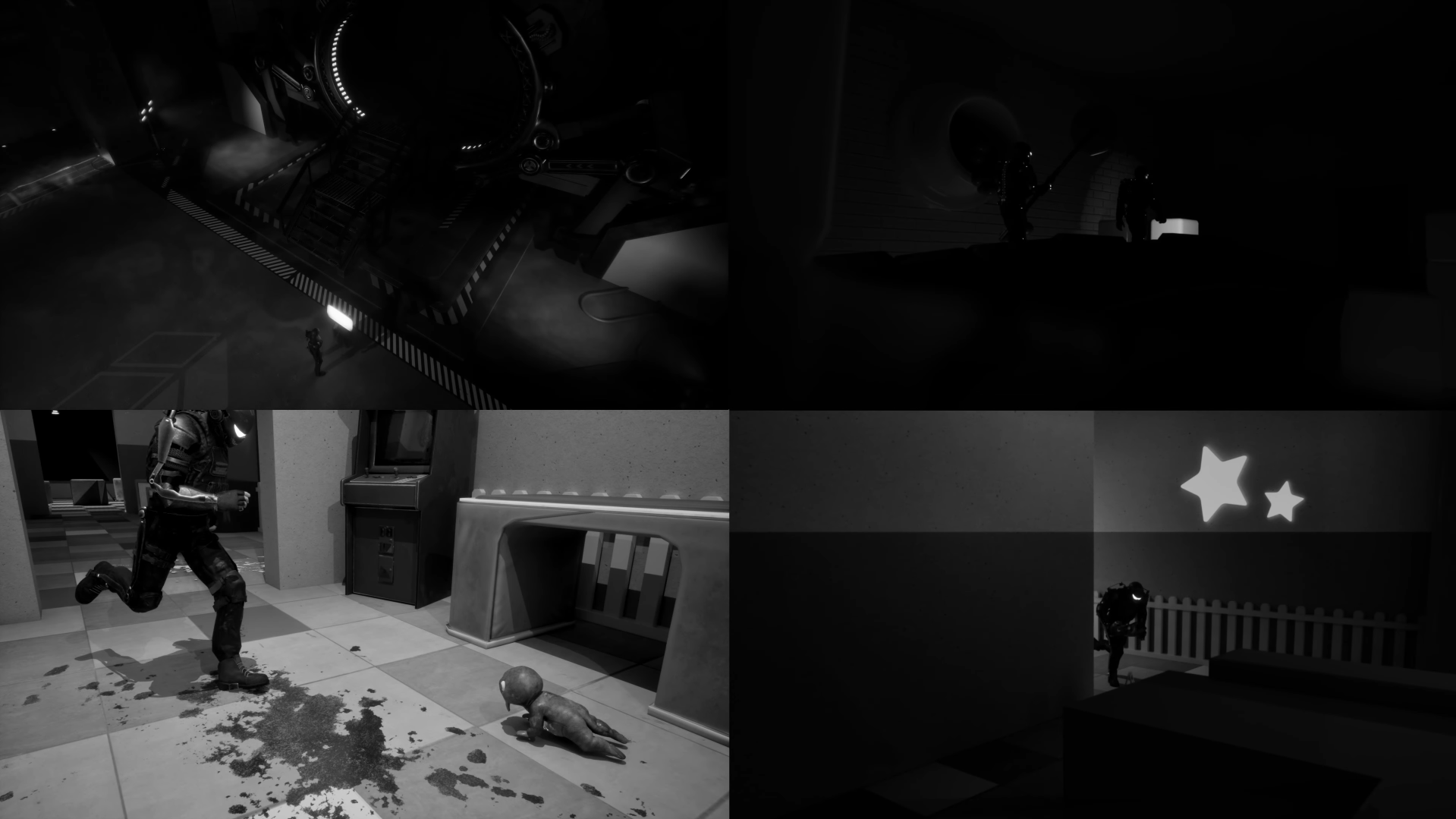
The extraction-focused structure is particularly important. Once the objective is secured, the nature of the run change. Movement becomes riskier, visibility more critical and time a constant enemy. This transition creates a clear emotional arc: exploration gives way to urgency and cooperation is tested at the moment when failure is most costly.
Because the loop is short and repeatable, each run carries weight without overstaying its welcome. Decisions are made quickly, often with incomplete information and their consequences are immediately felt. A single mistake, hesitation or misjudgment can compromise the entire team. In this context, social dynamics naturally intensify. Trust is built under pressure but it is also fragile.
By stripping the loop down to its essentials, Liminal Squad shifts the source of tension away from complex mechanics and toward human behavior. The game does not ask players to master systems, it asks them to navigate uncertainty together. This foundation is what allows cooperation and betrayal to coexist meaningfully within the same experience.
Because the loop is short and repeatable, each run carries weight without overstaying its welcome. Decisions are made quickly, often with incomplete information and their consequences are immediately felt. A single mistake, hesitation or misjudgment can compromise the entire team. In this context, social dynamics naturally intensify. Trust is built under pressure but it is also fragile.
By stripping the loop down to its essentials, Liminal Squad shifts the source of tension away from complex mechanics and toward human behavior. The game does not ask players to master systems, it asks them to navigate uncertainty together. This foundation is what allows cooperation and betrayal to coexist meaningfully within the same experience.
Cooperation as a Survival Instinct
Before betrayal can exist as a meaningful option, cooperation must first be established as a necessity. In Liminal Squad, teamwork is not enforced through rules or bonuses but through enemy design and pressure.
Different Entities introduce distinct mechanics that actively require cooperation. Some enemies demand coordinated positioning, others require players to divide attention, while certain encounters implicitly force a choice: expose one player to danger so the rest of the squad can survive. These situations are not framed as scripted sacrifices but as logical outcomes of mechanical constraints. The game does not tell players to work together.
This dynamic intensifies once the objective is located. At that point, several enemy behaviors shift. Entities become more aggressive and some entities actively begin to hunt the squad rather than merely occupy space. The environment, previously navigable with caution turns hostile. The act of carrying the objective itself becomes a threat, forcing the team to reorganize roles on the fly.
Different Entities introduce distinct mechanics that actively require cooperation. Some enemies demand coordinated positioning, others require players to divide attention, while certain encounters implicitly force a choice: expose one player to danger so the rest of the squad can survive. These situations are not framed as scripted sacrifices but as logical outcomes of mechanical constraints. The game does not tell players to work together.
This dynamic intensifies once the objective is located. At that point, several enemy behaviors shift. Entities become more aggressive and some entities actively begin to hunt the squad rather than merely occupy space. The environment, previously navigable with caution turns hostile. The act of carrying the objective itself becomes a threat, forcing the team to reorganize roles on the fly.
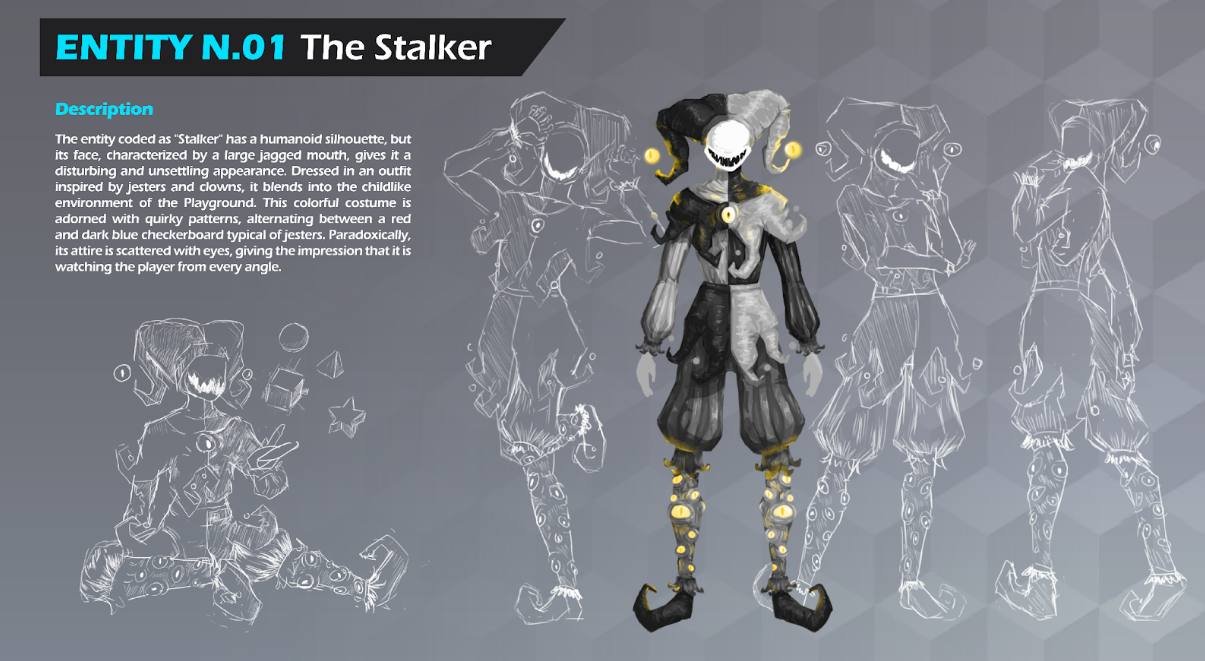
Items and improvised strategies play a crucial role in sustaining cooperation under these conditions. Tools may offer temporary control, distraction or escape but they are limited in availability and effectiveness. Using them efficiently often requires coordination: timing, positioning and trust between players. Poor communication or selfish use of resources can quickly undermine the group’s chances of survival.
What emerges from this structure is cooperation driven by instinct rather than obligation. Players help each other because it increases survival probability, not because the game rewards altruism directly. This distinction is critical. When cooperation is framed as the optimal response to shared danger it becomes emotionally grounded. Players feel responsible for another which makes later moments of hesitation or betrayal more impactful.
By establishing cooperation as the default survival behavior, Liminal Squad creates the conditions necessary for tension to evolve. Trust is built through necessity, under pressure and with limited margins for error. Only once this foundation is in place can betrayal emerge as a meaningful and often painful, alternative rather than a disruptive act.
What emerges from this structure is cooperation driven by instinct rather than obligation. Players help each other because it increases survival probability, not because the game rewards altruism directly. This distinction is critical. When cooperation is framed as the optimal response to shared danger it becomes emotionally grounded. Players feel responsible for another which makes later moments of hesitation or betrayal more impactful.
By establishing cooperation as the default survival behavior, Liminal Squad creates the conditions necessary for tension to evolve. Trust is built through necessity, under pressure and with limited margins for error. Only once this foundation is in place can betrayal emerge as a meaningful and often painful, alternative rather than a disruptive act.
Betrayal by Design, Not Griefing
Designing betrayal in a cooperative game is a delicate problem. Left unchecked, it quickly turns into griefing: disruptive behavior that breaks trust and undermines the experience. In Liminal Squad, betrayal is never presented as an explicit mechanic. Instead it emerges as a consequence of pressure and technical constraints deliberately shaped around the core gameplay loop.
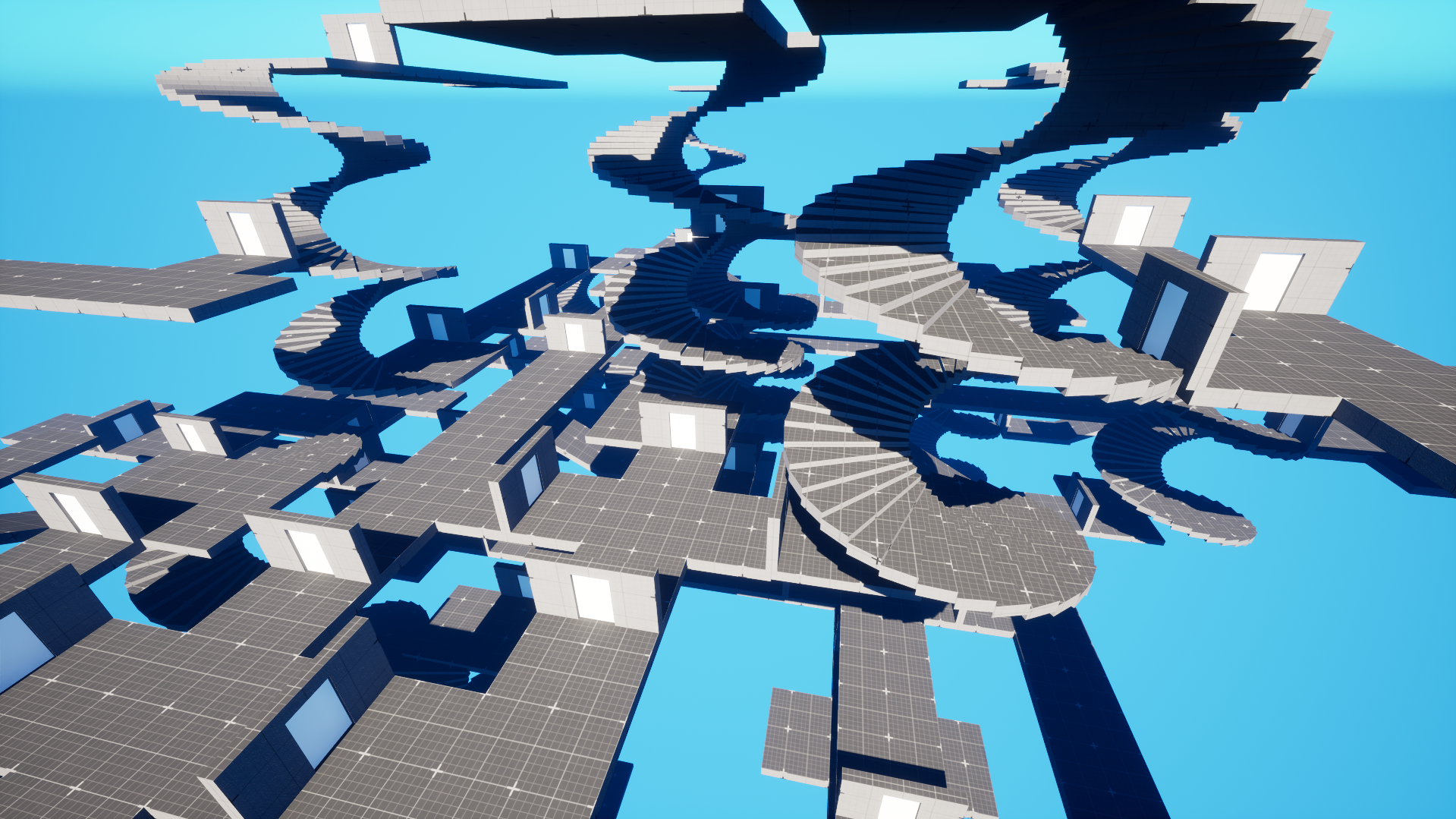
This approach is closely tied to how the game’s environments are generated. Rather than relying on fully random procedural generation, Liminal Squad uses a handcrafted semi-procedural system built specifically for its gameplay needs. Room archetypes, traversal rules and spatial constraints are authored manually, then assembled dynamically. This allows the game to introduce situations that are unpredictable for the players but controlled from a design perspective.
Certain generations create asymmetrical risks. Rooms with strong verticality, altered gravity or limited traversal options can separate players unintentionally. In these moments, cooperation is no longer guaranteed by proximity. A player left behind may become a liability not by poor play but by circumstance. Choosing whether to regroup, wait or move on becomes a real decision, often made under time pressure and threat.
This approach is closely tied to how the game’s environments are generated. Rather than relying on fully random procedural generation, Liminal Squad uses a handcrafted semi-procedural system built specifically for its gameplay needs. Room archetypes, traversal rules and spatial constraints are authored manually, then assembled dynamically. This allows the game to introduce situations that are unpredictable for the players but controlled from a design perspective.
Certain generations create asymmetrical risks. Rooms with strong verticality, altered gravity or limited traversal options can separate players unintentionally. In these moments, cooperation is no longer guaranteed by proximity. A player left behind may become a liability not by poor play but by circumstance. Choosing whether to regroup, wait or move on becomes a real decision, often made under time pressure and threat.
Unreal Engine plays a key role in enabling this design philosophy. Motion Matching allows characters to move with physical credibility, making every stumble, turn or failed jump feel grounded rather than abstract. This has direct gameplay consequences: movement errors feel human, not mechanical. When a player fails to keep up it doesn't feel like a system failure but a believable mistake.
Visual technologies such as Nanite and Lumen further support this dynamic. High-density environments and real-time lighting allow spaces to remain readable while still oppressive. A teammate disappearing into darkness is not a scripted event but a natural outcome of space and light interacting in real time.
Visual technologies such as Nanite and Lumen further support this dynamic. High-density environments and real-time lighting allow spaces to remain readable while still oppressive. A teammate disappearing into darkness is not a scripted event but a natural outcome of space and light interacting in real time.
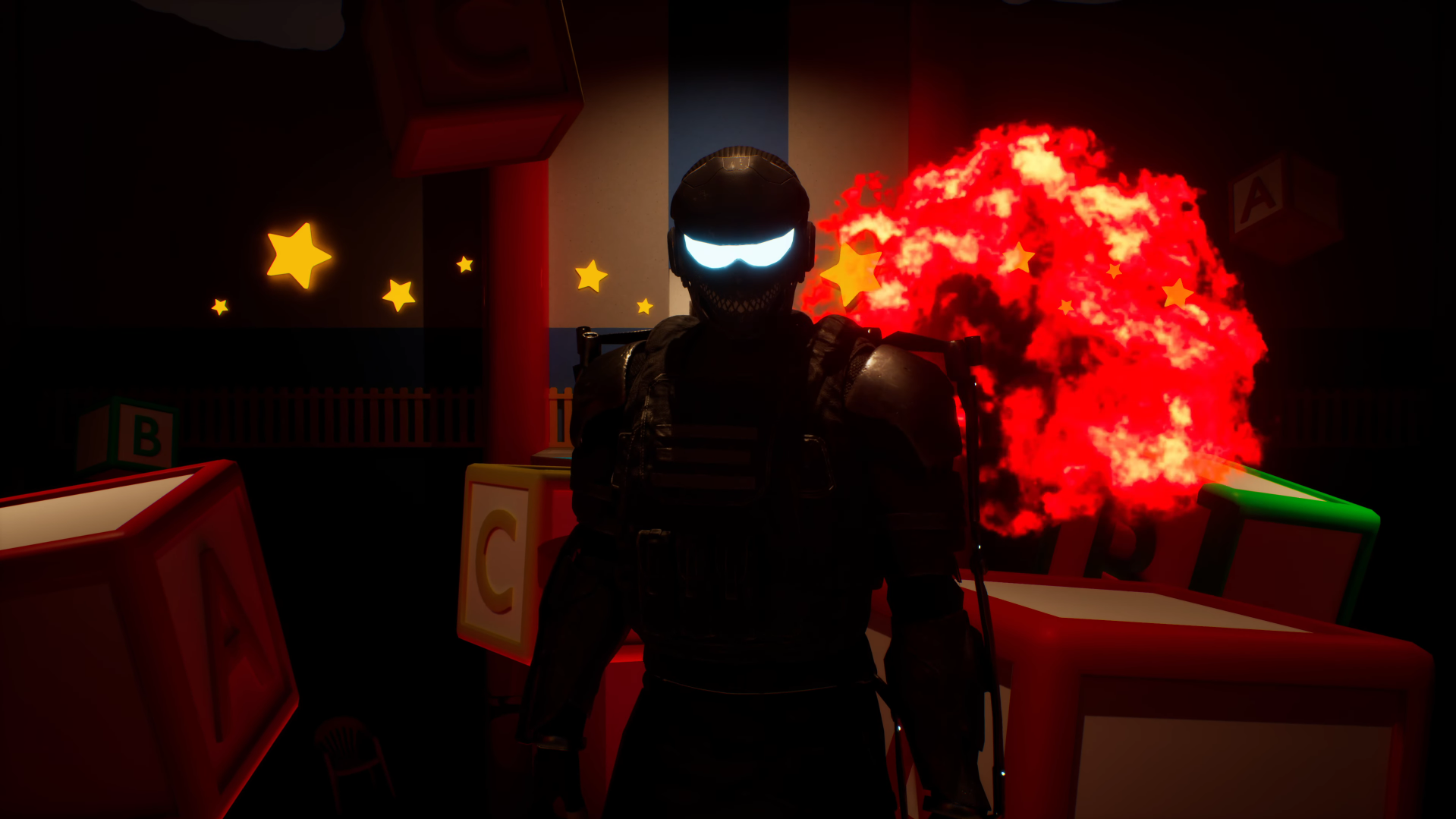
Enemy behavior compounds these situations. As previously established, some Entities require coordination while others escalate aggression once the objective is found. When these threats intersect with spatial constraints, betrayal becomes a rational outcome rather than a malicious one. Leaving a player behind is rarely desirable but sometimes strategically unavoidable. The game does not reward betrayal explicitly, it simply allows it to exist as a consequence of design.
By grounding these moments in systems, space and technology, Liminal Squad avoids turning betrayal into an exploit. Players are not encouraged to sabotage others for personal gain (just a little) but they are forced to confront situations where saving everyone is no longer possible. The resulting tension is social, emotional and mechanical at once.
In this context betrayal is not the opposite of cooperation. It is a possibility that only exists because cooperation was meaningful in the first place.
By grounding these moments in systems, space and technology, Liminal Squad avoids turning betrayal into an exploit. Players are not encouraged to sabotage others for personal gain (just a little) but they are forced to confront situations where saving everyone is no longer possible. The resulting tension is social, emotional and mechanical at once.
In this context betrayal is not the opposite of cooperation. It is a possibility that only exists because cooperation was meaningful in the first place.
Entities as Social Mechanics
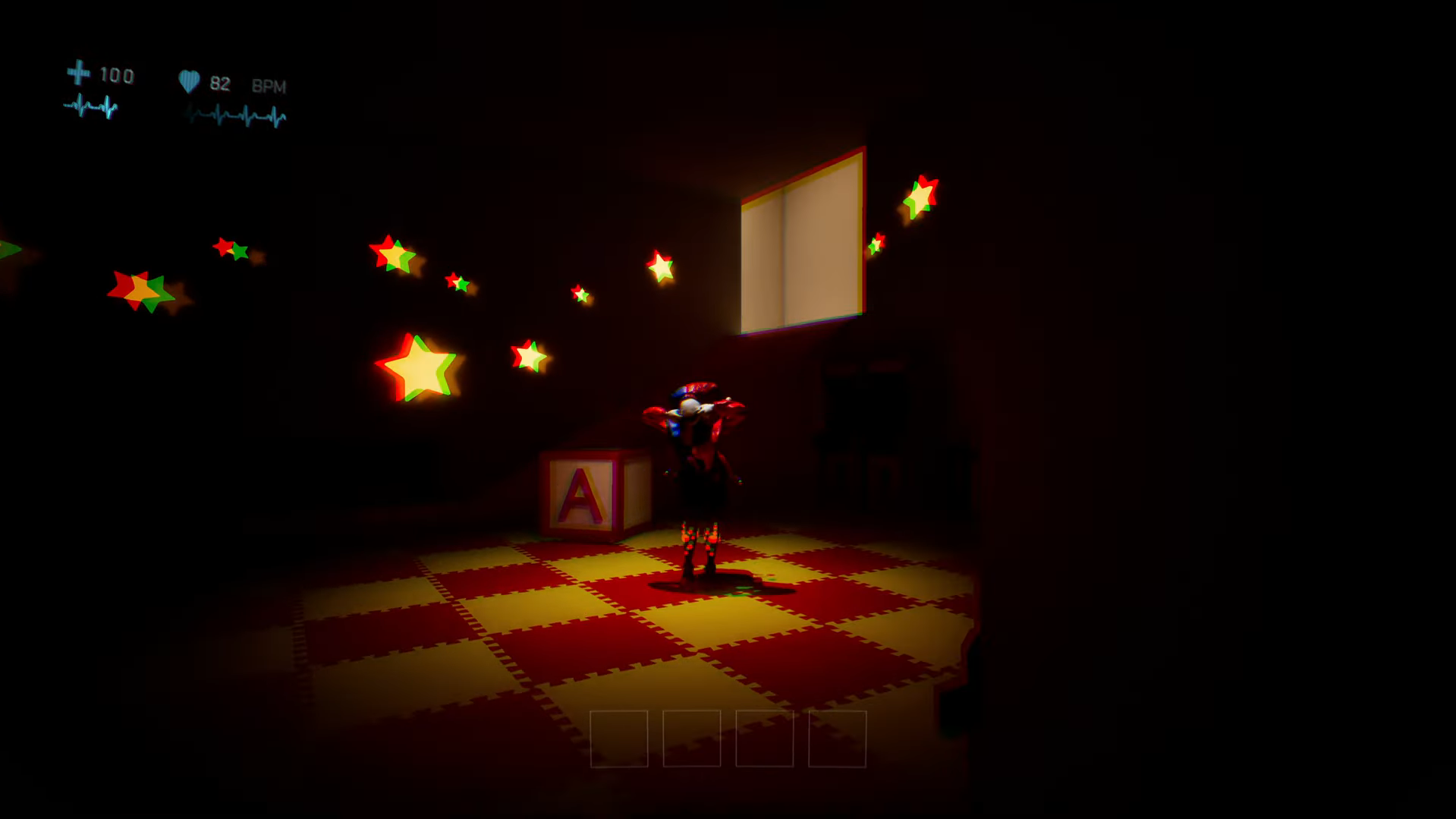
Our Entities are not designed only as threats to be avoided or defeated. They function as social stressors, deliberately crafted to disrupt coordination, isolate players and force collective decision-making under pressure. Rather than relying on raw damage or numbers, enemy mechanics are designed to interfere with how players move, communicate and prioritize.
Some Entities require coordinated actions to neutralize or evade effectively. Others create asymmetric danger, targeting a single player while the rest of the squad must decide whether to intervene or continue forward. In certain cases, survival hinges on distraction or sacrifice, where one player absorbs the threat long enough for the others to reposition or extract the objective.
Some Entities require coordinated actions to neutralize or evade effectively. Others create asymmetric danger, targeting a single player while the rest of the squad must decide whether to intervene or continue forward. In certain cases, survival hinges on distraction or sacrifice, where one player absorbs the threat long enough for the others to reposition or extract the objective.
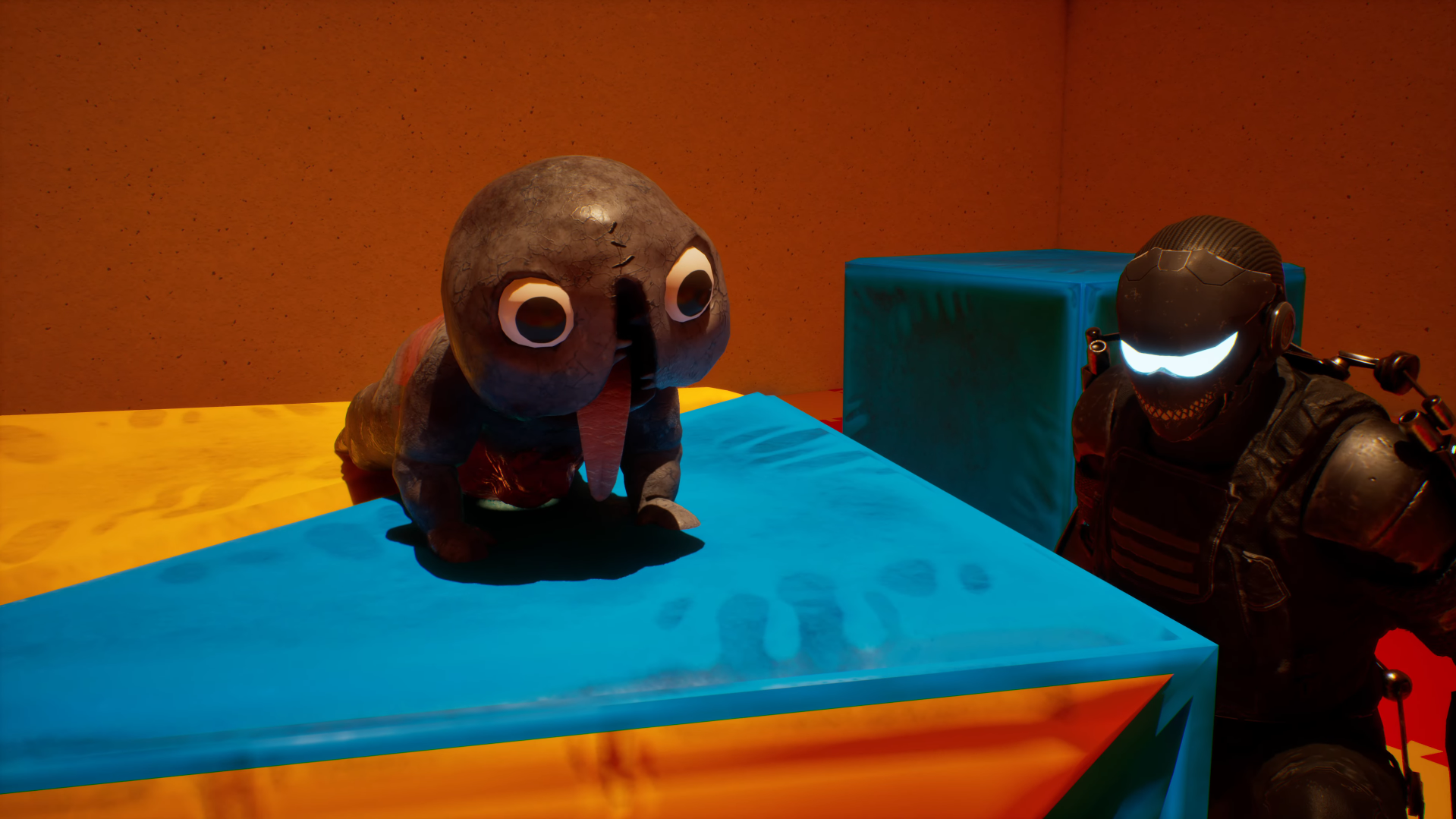
This design becomes especially impactful after the objective is found. The presence of the objective acts as a trigger that transforms Entities from environmental hazards into active pursuers. The team is no longer exploring; it is being chased.
What makes this system effective is its interaction with the cooperative loop. Entities do not simply punish mistakes they create dilemmas. Should the team regroup and risk losing time or push forward and abandon a slower member? Should resources be spent to save one player or preserved for extraction? Or should I just break Timmy's leg? These questions are not prompted by dialogue or UI but by enemy behavior and pressure.
By treating Entities as social mechanics rather than combat obstacles, Liminal Squad reinforces its core theme: survival is collective but not guaranteed to be fair. Each encounter has the potential to fracture trust, redefine roles or generate unique emergent stories to a single run.
What makes this system effective is its interaction with the cooperative loop. Entities do not simply punish mistakes they create dilemmas. Should the team regroup and risk losing time or push forward and abandon a slower member? Should resources be spent to save one player or preserved for extraction? Or should I just break Timmy's leg? These questions are not prompted by dialogue or UI but by enemy behavior and pressure.
By treating Entities as social mechanics rather than combat obstacles, Liminal Squad reinforces its core theme: survival is collective but not guaranteed to be fair. Each encounter has the potential to fracture trust, redefine roles or generate unique emergent stories to a single run.
What Didn’t Work and Design Challenges
Designing a cooperative horror experience around social tension inevitably exposes cases where systems collide in unintended ways. One of the earliest and most problematic examples involved player death caused by falling into the void. In its initial form this situation resulted in a definitive death state, effectively removing a player from the run. While mechanically consistent, this outcome proved deeply frustrating in practice. Preventing a player from actively participating undermined both tension and engagement.
Several solutions were explored. Different spectator modes were tested, ranging from free camera observation to limited contextual views tied to surviving teammates. While these approaches preserved presence, they failed to maintain meaningful interaction. Spectating did not align with the game’s core philosophy, which relies on active participation and social pressure rather than passive observation.
Several solutions were explored. Different spectator modes were tested, ranging from free camera observation to limited contextual views tied to surviving teammates. While these approaches preserved presence, they failed to maintain meaningful interaction. Spectating did not align with the game’s core philosophy, which relies on active participation and social pressure rather than passive observation.
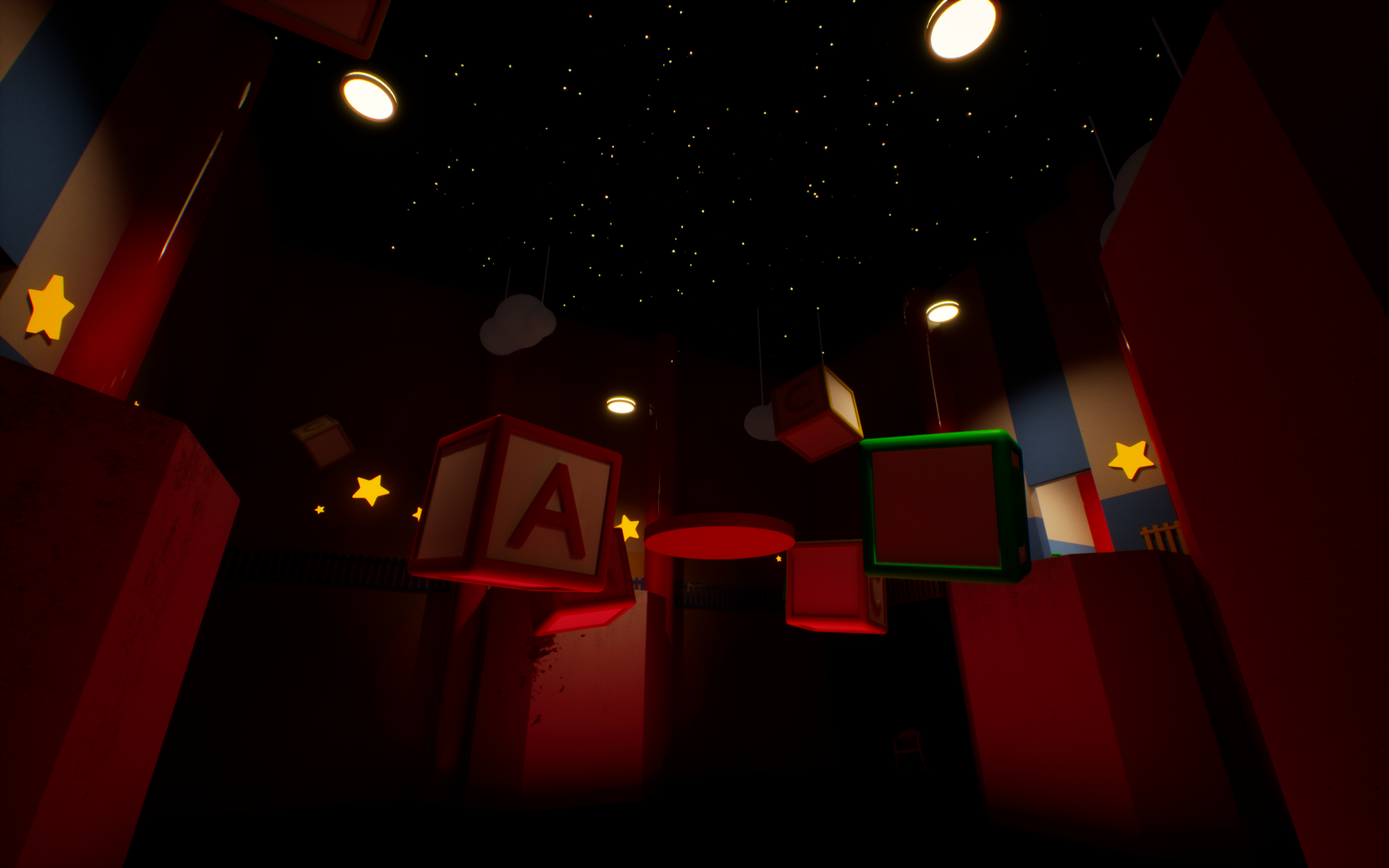
This led to a fundamental design question: in a game set within liminal spaces that explicitly defy logic and physical consistency, why should falling into the void equate to death at all? If space itself is unstable, then disappearance does not need to imply elimination.
The final solution reframed the mechanic entirely. Instead of dying, a player who falls into the void is now teleported to a random room elsewhere on the map. This choice resolved multiple issues simultaneously. It preserves player comitment, avoids downtime and introduces uncertainty rather than punishment. Reappearing alone in an unknown location transforms failure into a new form of tension.
More importantly, this decision allowed several systems to converge. Proximity voice chat becomes essential, as disoriented players must communicate their position through sound rather than UI. The mechanic also synergizes with shapeshifting enemies capable of mimicking allies, turning communication itself into a potential risk. A familiar voice is no longer a guarantee of safety. What began as a technical problem evolved into a systemic source of paranoia.
The final solution reframed the mechanic entirely. Instead of dying, a player who falls into the void is now teleported to a random room elsewhere on the map. This choice resolved multiple issues simultaneously. It preserves player comitment, avoids downtime and introduces uncertainty rather than punishment. Reappearing alone in an unknown location transforms failure into a new form of tension.
More importantly, this decision allowed several systems to converge. Proximity voice chat becomes essential, as disoriented players must communicate their position through sound rather than UI. The mechanic also synergizes with shapeshifting enemies capable of mimicking allies, turning communication itself into a potential risk. A familiar voice is no longer a guarantee of safety. What began as a technical problem evolved into a systemic source of paranoia.
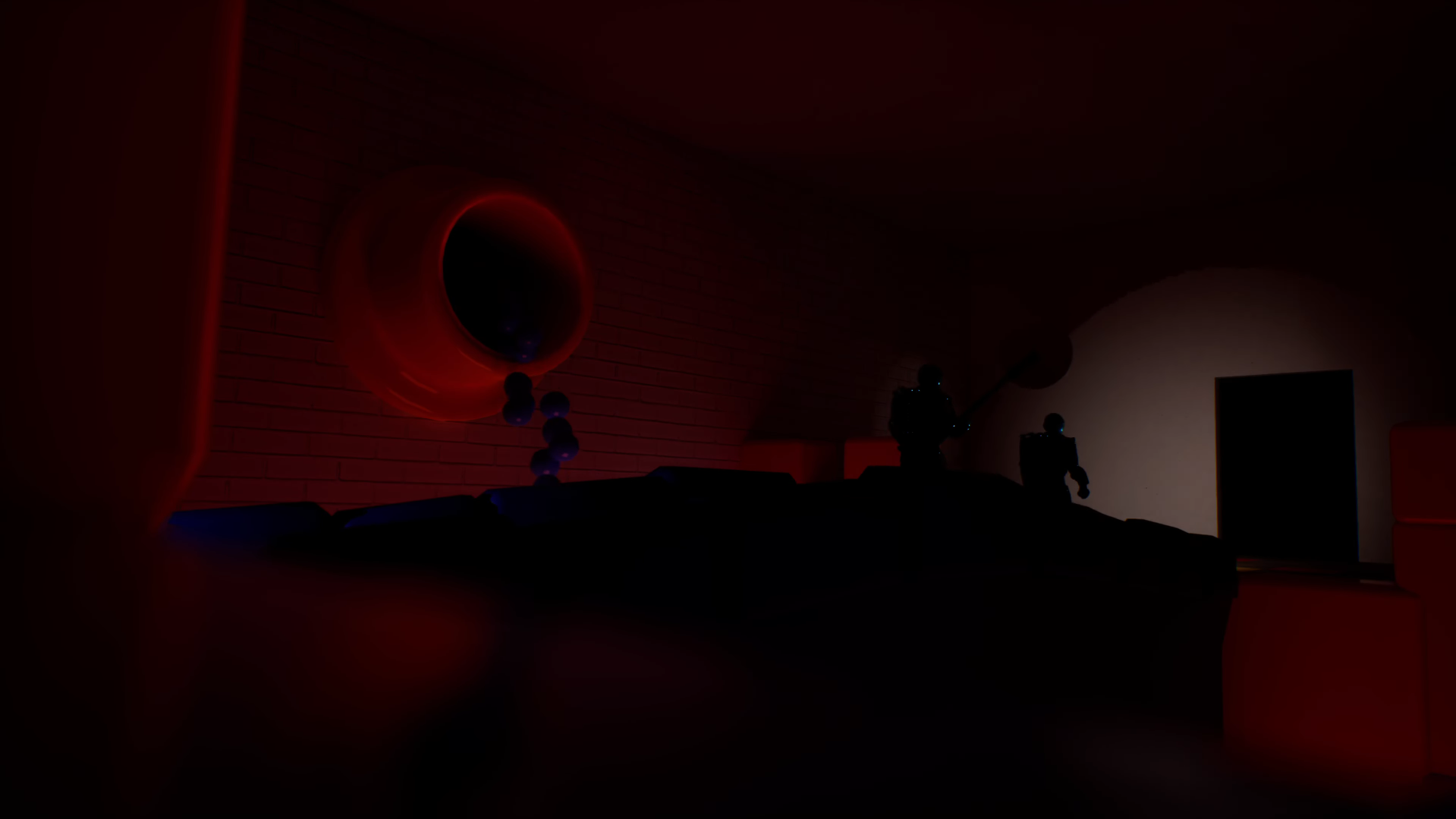
The same philosophy applies to the game’s use of controlled comedy. Emotes that can provoke enemy reactions, along with deliberately absurd but situationally useful tools and weapons, serve as pressure valves rather than tonal breaks. These elements allow brief emotional release without undermining tension. Laughter becomes part of the rhythm of fear, making the return to danger sharper rather than softer.
These challenges highlight an ongoing tension in the design of Liminal Squad. Systems that generate strong emergent moments often introduce friction or confusion before they are properly contextualized. Resolving these issues rarely involves removing mechanics but rather reframing failure states in ways that remain interactive.
These challenges highlight an ongoing tension in the design of Liminal Squad. Systems that generate strong emergent moments often introduce friction or confusion before they are properly contextualized. Resolving these issues rarely involves removing mechanics but rather reframing failure states in ways that remain interactive.
Conclusion: Designing Fear as a System, Not a Script
Liminal Squad was not designed to make cooperation comfortable. It was designed to make it fragile. By treating cooperation and betrayal as outcomes of pressure rather than explicit mechanics, the game reframes co-op horror as a social system instead of a scripted experience. Fear does not emerge from isolation alone but from uncertainty.
This approach relies on a close alignment between design intent and technology. Unreal Engine is not used as a visual showcase but as a framework that enables systemic tension. Handcrafted semi-procedural generation ensures unpredictability without sacrificing control. Motion Matching grounds movement errors in physicality. Nanite and Lumen support readability without compromising atmosphere. Systems such as proximity voice chat and enemy mimicry intertwine to turn communication itself into a source of risk.
Equally important, failure states are treated as design opportunities rather than endpoints. Moments that initially broke the experience such as falling into the void were reimagined to preserve agency and reinforce the game’s thematic core. Comedy, absurd tools and expressive emotes are not tonal accidents but deliberate release valves that sharpen the return of fear.
What emerges from this design philosophy is a co-op horror experience built to evolve. Seasonal content, modular systems and targeted balancing allow the game to grow without eroding its identity. More importantly Liminal Squad demonstrates a broader ambition: using Unreal Engine not just to render worlds but to prototype and iterate on mechanics.
In that sense, Liminal Squad is less a finished statement than a living experiment. One that explores how technology, systems and human behavior can intersect to create fear that cannot be scripted, only experienced.
This approach relies on a close alignment between design intent and technology. Unreal Engine is not used as a visual showcase but as a framework that enables systemic tension. Handcrafted semi-procedural generation ensures unpredictability without sacrificing control. Motion Matching grounds movement errors in physicality. Nanite and Lumen support readability without compromising atmosphere. Systems such as proximity voice chat and enemy mimicry intertwine to turn communication itself into a source of risk.
Equally important, failure states are treated as design opportunities rather than endpoints. Moments that initially broke the experience such as falling into the void were reimagined to preserve agency and reinforce the game’s thematic core. Comedy, absurd tools and expressive emotes are not tonal accidents but deliberate release valves that sharpen the return of fear.
What emerges from this design philosophy is a co-op horror experience built to evolve. Seasonal content, modular systems and targeted balancing allow the game to grow without eroding its identity. More importantly Liminal Squad demonstrates a broader ambition: using Unreal Engine not just to render worlds but to prototype and iterate on mechanics.
In that sense, Liminal Squad is less a finished statement than a living experiment. One that explores how technology, systems and human behavior can intersect to create fear that cannot be scripted, only experienced.
LIMINAL SQUAD : GAMEPLAY OVERVIEW / Legion We are Many
Thank you for reading.
You can follow the development of Liminal Squad and learn more about the project through our LinkedIn and Linktree pages via the links below.
You can follow the development of Liminal Squad and learn more about the project through our LinkedIn and Linktree pages via the links below.