Fear as a System: How Games Sustain Horror

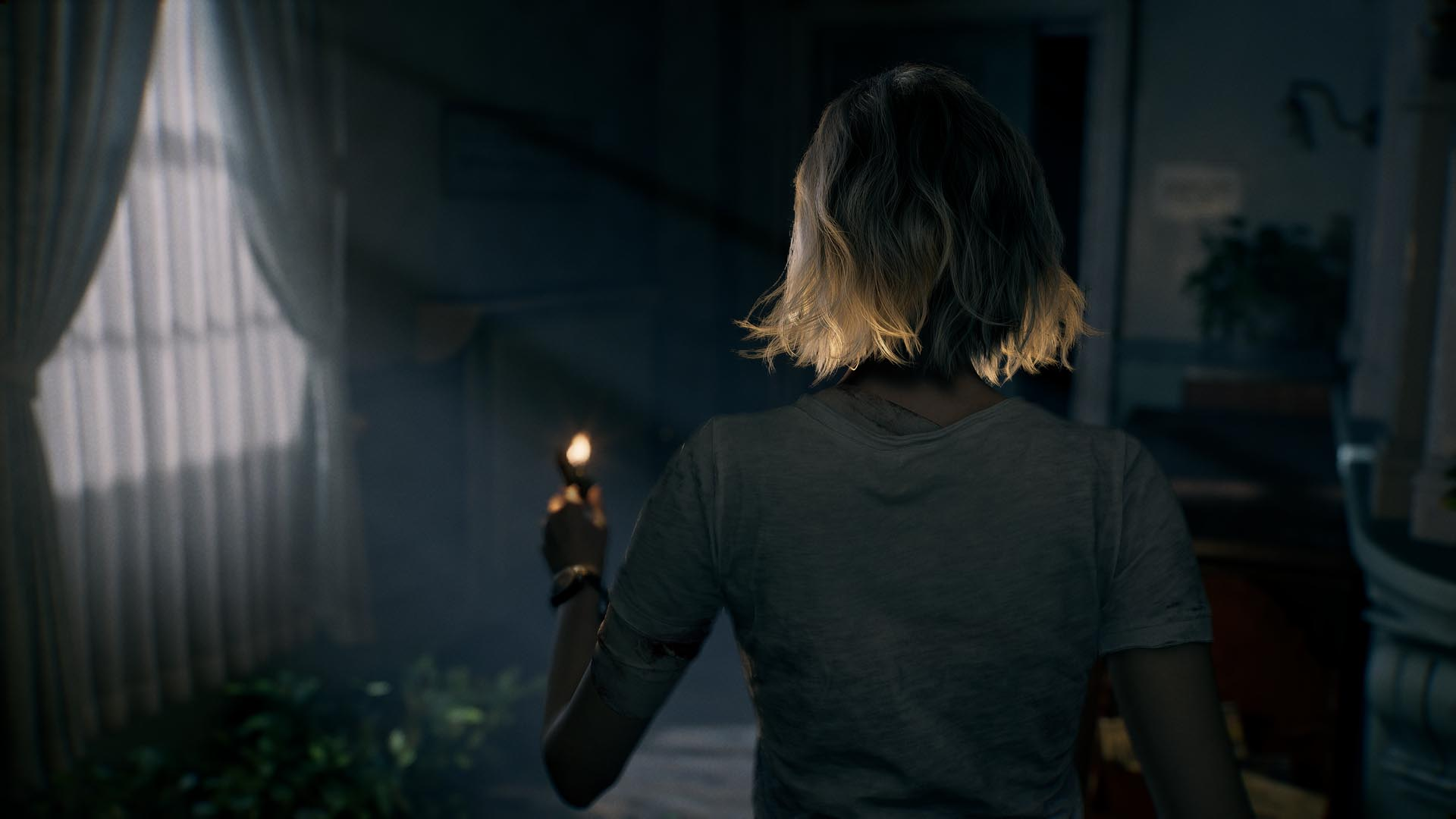
Horror games have long relied on jump scares as the main way to scare players. While effective in the moment, these scripted shocks quickly fade. Once anticipated, they lose their impact, turning fear into routine rather than tension. Some games manage to remain unsettling long after the player understands their mechanics; not through surprise but through systems that constantly affect decision-making.
This form of horror does not emerge from isolated events but from rules that shape how the player moves, explores and hesitates. Threats persist even when unseen, spaces remain hostile even when empty and safety is never absolute. Fear becomes a state rather than a reaction.
This article explores how horror can be designed without relying on jump scares, focusing instead on systemic design. By examining well-known games, it aims to show how tension and uncertainty can be sustained through mechanics and decision-making rather than scripted surprises.
For me, the most effective fear doesn't rely on surprise. It's created by the discomfort of making the danger understandable but impossible to escape.
This form of horror does not emerge from isolated events but from rules that shape how the player moves, explores and hesitates. Threats persist even when unseen, spaces remain hostile even when empty and safety is never absolute. Fear becomes a state rather than a reaction.
This article explores how horror can be designed without relying on jump scares, focusing instead on systemic design. By examining well-known games, it aims to show how tension and uncertainty can be sustained through mechanics and decision-making rather than scripted surprises.
For me, the most effective fear doesn't rely on surprise. It's created by the discomfort of making the danger understandable but impossible to escape.
Horror as a System, Not an Event
Traditional horror design often treats fear as a sequence of moments. A door opens, a sound cue triggers, an enemy appears and the player reacts. These events can be effective but they are inherently temporary. Once experienced, they become predictable and the player learns to wait for them rather than fear them.
Systemic horror approaches fear differently. Instead of relying on isolated scares, it establishes a set of rules that continuously shape the player’s behavior. The threat is not tied to a specific trigger but to the understanding that danger can emerge at any time as a consequence of the game’s systems. Fear persists because it is integrated into the structure of the game.
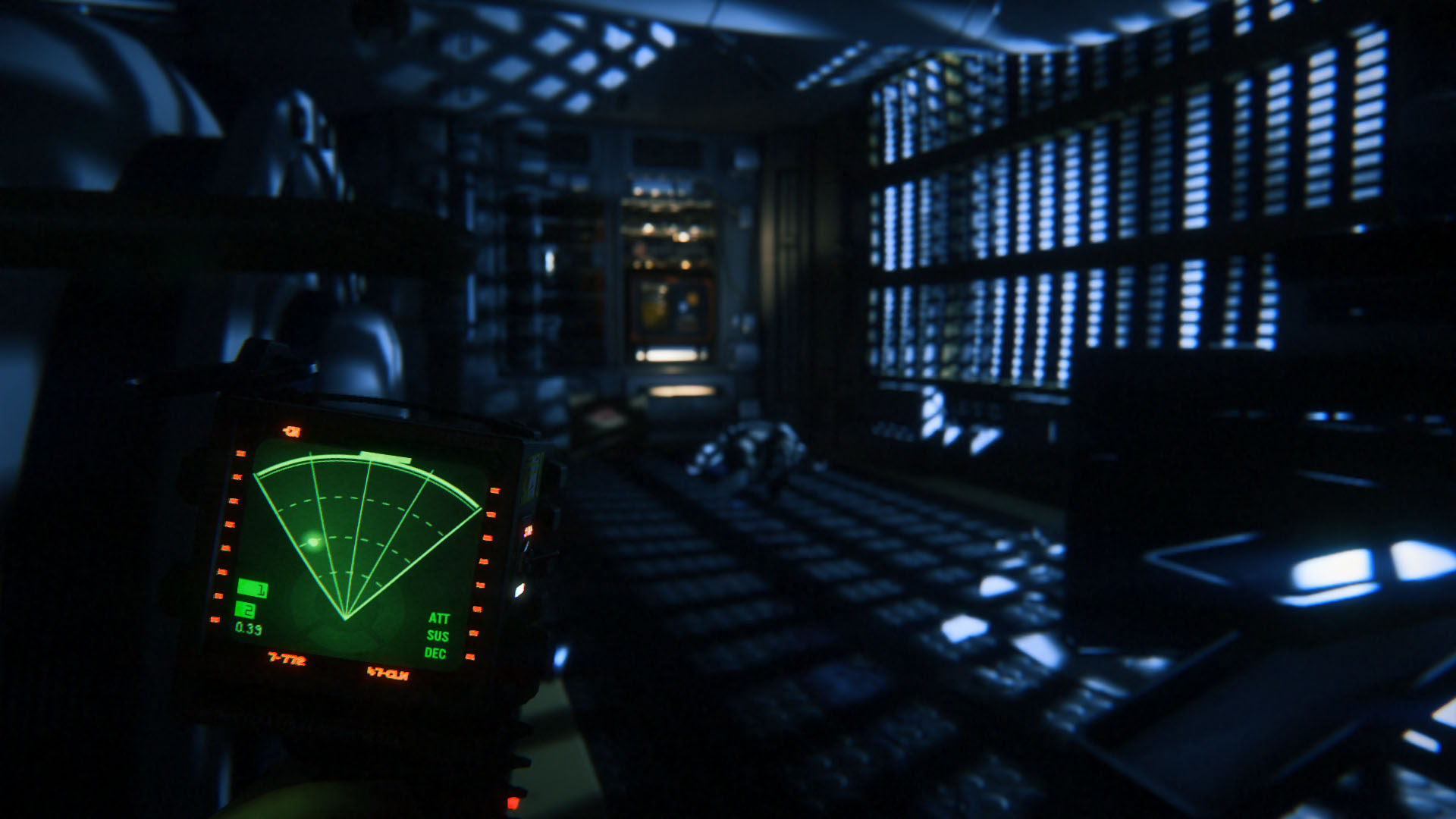
Games such as Alien : Isolation demonstrate this approach clearly. The alien is not introduced as a scripted obstacle but as a persistent presence governed by behaviors the player can partially understand but never fully control. Similarly, Resident Evil 2 Remake uses Mr. X as a mobile rule rather than a traditional enemy. The sound of distant footsteps is enough to change the player’s route, even when Mr. X is not visible. The system works because the player understands the threat and adjusts their behavior accordingly.
In these cases, horror is produced by anticipation rather than surprise. The player is not frightened by what happens but by what could happen from the rules they have learned. This shift from event-driven fear to system-driven tension allows horror to survive repetition and remain effective over time.
Systemic horror approaches fear differently. Instead of relying on isolated scares, it establishes a set of rules that continuously shape the player’s behavior. The threat is not tied to a specific trigger but to the understanding that danger can emerge at any time as a consequence of the game’s systems. Fear persists because it is integrated into the structure of the game.
Games such as Alien : Isolation demonstrate this approach clearly. The alien is not introduced as a scripted obstacle but as a persistent presence governed by behaviors the player can partially understand but never fully control. Similarly, Resident Evil 2 Remake uses Mr. X as a mobile rule rather than a traditional enemy. The sound of distant footsteps is enough to change the player’s route, even when Mr. X is not visible. The system works because the player understands the threat and adjusts their behavior accordingly.
In these cases, horror is produced by anticipation rather than surprise. The player is not frightened by what happens but by what could happen from the rules they have learned. This shift from event-driven fear to system-driven tension allows horror to survive repetition and remain effective over time.
Predictability Creates Fear, Not Safety
A common misconception in horror design is that unpredictability is the key to create fear. In practice, completely erratic behavior often leads to frustration rather than tension. When players cannot understand why something happens, they stop anticipating and start reacting blindly, which weakens engagement.
Effective horror relies on partial predictability. Enemies and systems must behave in ways the player can learn, even if they cannot fully master them. This knowledge creates anticipation: the player recognizes the conditions under which danger emerges but remains uncertain about timing and outcome. Fear arises from this gap between understanding and control.
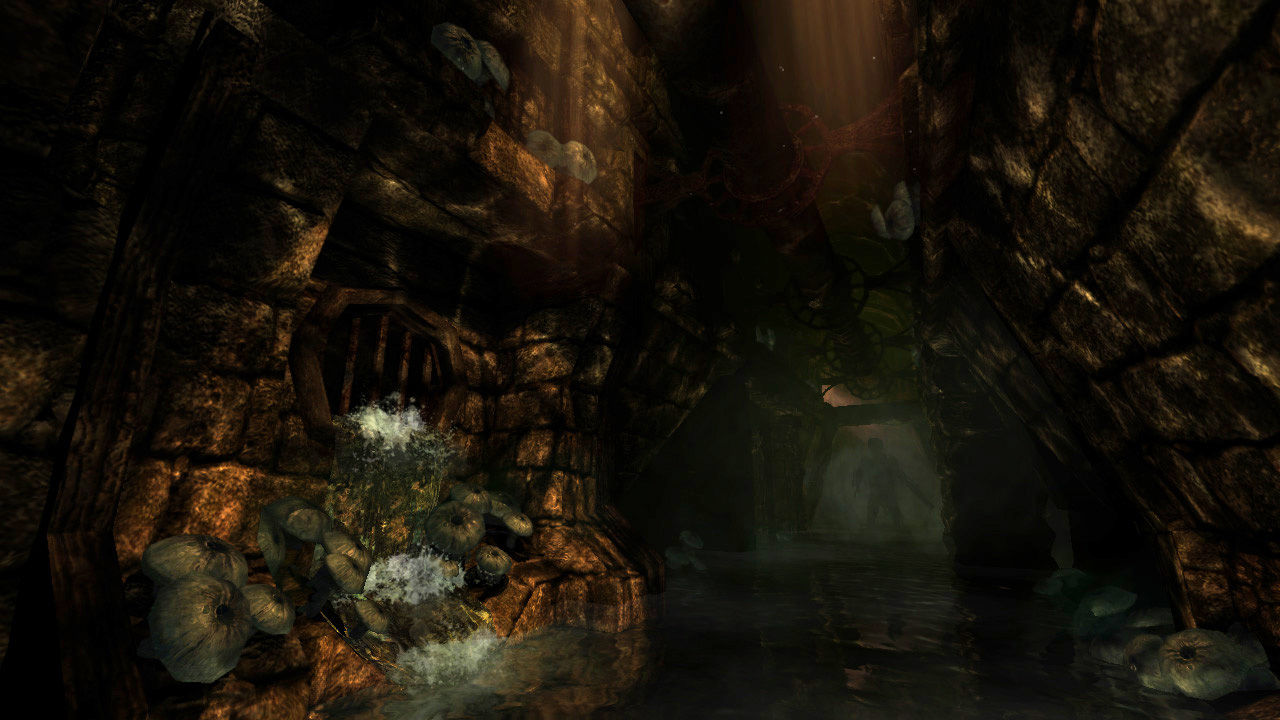
Games like Amnesia: The Dark Descent illustrate this principle through clear and consistent rules. Light provides safety, visibility increases risk and exposure leads to punishment. The player is never confused about why they are in danger but the constant need to manage these rules sustains tension. Similarly in Souls-like games, enemies follow readable patterns that allow players to strategize, making each encounter stressful without feeling arbitrary.
By designing threats that are understandable but unforgiving, horror games encourage players to think ahead rather than wait for a scare. Predictability does not remove fear, it transforms it into a sustained psychological pressure that rewards awareness and careful decision-making.
Effective horror relies on partial predictability. Enemies and systems must behave in ways the player can learn, even if they cannot fully master them. This knowledge creates anticipation: the player recognizes the conditions under which danger emerges but remains uncertain about timing and outcome. Fear arises from this gap between understanding and control.
Games like Amnesia: The Dark Descent illustrate this principle through clear and consistent rules. Light provides safety, visibility increases risk and exposure leads to punishment. The player is never confused about why they are in danger but the constant need to manage these rules sustains tension. Similarly in Souls-like games, enemies follow readable patterns that allow players to strategize, making each encounter stressful without feeling arbitrary.
By designing threats that are understandable but unforgiving, horror games encourage players to think ahead rather than wait for a scare. Predictability does not remove fear, it transforms it into a sustained psychological pressure that rewards awareness and careful decision-making.
Space and Rules as Invisible Threats
In systemic horror, fear does not require a visible enemy. Space itself can become a source of tension when it communicates danger through its structure and rules. Narrow corridors, long sightlines, blind corners and unstable safe zones all shape how the player moves and how vulnerable they feel, even in the absence of immediate threats.
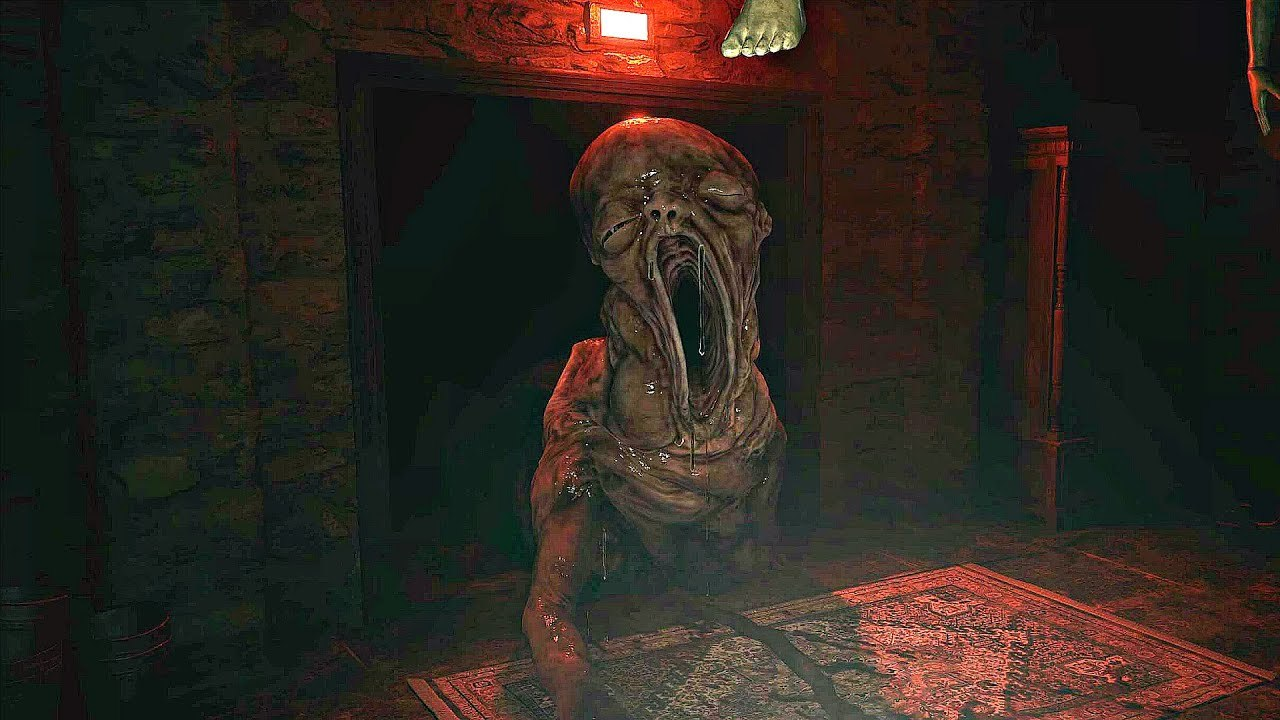
Level design plays a critical role in sustaining fear by controlling information. When players cannot fully see or predict what lies ahead, they are forced to slow down, hesitate and reassess their decisions. Games like P.T. rely almost entirely on this principle, using repetition with subtle variation to transform familiar spaces into unsettling environments. Similarly, sections of Resident Evil Village demonstrate how empty rooms and quiet traversal can maintain pressure simply by implying that danger could reappear at any moment.
Rules tied to space further reinforce this effect. Lighting, sound propagation, line of sight and movement constraints define what is safe and what is not. The player learns these rules through experience and once internalized, they continue to generate fear without additional scripting. In this way, the environment becomes an invisible threat, constantly influencing behavior and reinforcing tension through design rather than surprise.
Level design plays a critical role in sustaining fear by controlling information. When players cannot fully see or predict what lies ahead, they are forced to slow down, hesitate and reassess their decisions. Games like P.T. rely almost entirely on this principle, using repetition with subtle variation to transform familiar spaces into unsettling environments. Similarly, sections of Resident Evil Village demonstrate how empty rooms and quiet traversal can maintain pressure simply by implying that danger could reappear at any moment.
Rules tied to space further reinforce this effect. Lighting, sound propagation, line of sight and movement constraints define what is safe and what is not. The player learns these rules through experience and once internalized, they continue to generate fear without additional scripting. In this way, the environment becomes an invisible threat, constantly influencing behavior and reinforcing tension through design rather than surprise.
Conclusion : Fear That Persists Beyond Surprise
Jump scares can startle but they rarely sustain fear. Once expected, they lose their power, reducing horror to a sequence of reactions rather than a lasting experience. Systemic horror offers an alternative : one where tension is built through rules, space and consequences that the player understands but cannot fully control.
By designing threats that persist, environments that remain hostile and mechanics that continuously pressure decision-making, horror can survive repetition and mastery. Fear becomes something the player carries with them, shaped by anticipation rather than shock.
The most effective horror does not rely on surprise alone. It emerges when systems work together to transform knowledge into unease and when the game respects the player enough to let fear grow from understanding rather than ignorance.
By designing threats that persist, environments that remain hostile and mechanics that continuously pressure decision-making, horror can survive repetition and mastery. Fear becomes something the player carries with them, shaped by anticipation rather than shock.
The most effective horror does not rely on surprise alone. It emerges when systems work together to transform knowledge into unease and when the game respects the player enough to let fear grow from understanding rather than ignorance.